🕷️ Yellowjackets: aggressive behavior explained
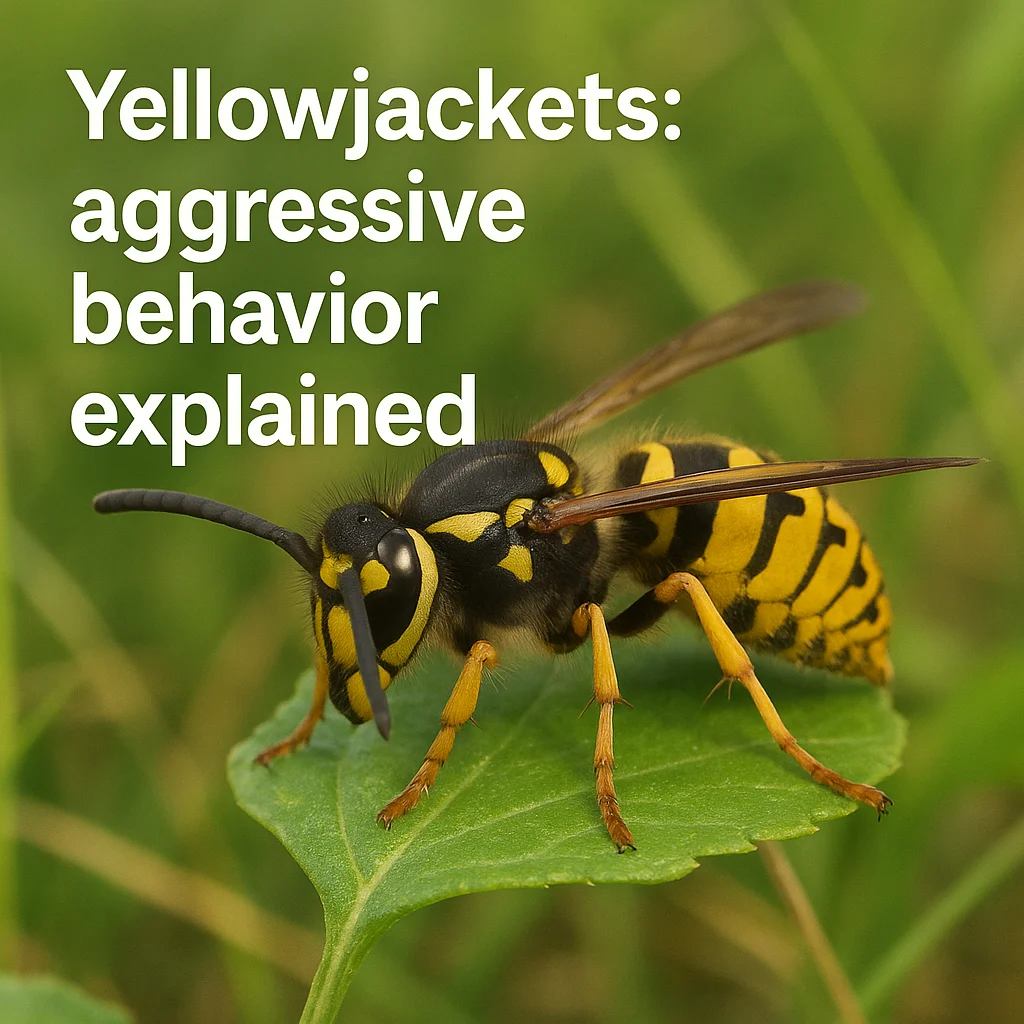
Yellowjackets are notorious for their aggressive behavior, particularly nearing the end of summer. Known for their distinctive black and yellow coloration, these wasps play a complex role in various ecosystems. In this field guide profile, we will delve into their behavior, identification, and ecological significance.
🧾 Quick Facts
Yellowjackets are small wasps commonly seen across different regions. Here are some quick facts:
- Common names: Yellowjackets
- Scientific name: Varies by species
- Insect: Yes, an invertebrate
- Order / Family: Hymenoptera / Vespidae
- Typical size range: 1 to 2 cm long
- Key colors/patterns: Black and yellow bands
- Activity: Diurnal (active during the day)
- Typical habitats: Forest edges, gardens, urban areas
- Where in the world it occurs: North America, Europe, Asia
- Seasonality: Most active in late spring and summer
🔍 Identification
Yellowjackets are easily recognizable by their black and yellow coloration and wasp-like body shape.
- Body shape: Slim with a defined waist
- Antennae: Long and thin
- Wings: Clear, held folded along the body
- Legs: Relatively short, dangling during flight
- Look-alikes: Can be confused with bees but have smoother bodies and more defined waist
- Observe pattern: wasps have a brighter yellow and glossier finish
- Notice black and yellow banding
- Observe smooth body, unlike fuzzy bees
- Look for long, thin legs
- Identify clear wings folded along the body
- Check for narrow waist
- Note active daytime behavior
- Late spring to early fall
- Warm, sunny days
- During daylight hours
- Dry weather
- Aggressive stinging
- Rapid retreat
- Intimidating coloration
- Nesting in protected areas
- Grow native plants
- Minimize pesticide use
- Encourage natural pest control
- Provide water sources
- Distinct black and yellow striped appearance
- Common around urban and natural areas worldwide
- Active during the warmer months
- Exhibit complete metamorphosis with distinct life stages
- Diet varies from proteins in larvae to sugars in adults
- Natural predators include birds and mammals
- Important role in pest control and ecosystem balance
- Interactions with humans increased with habitat overlap
- Top ID Tips:
🧠 Basic Body Structure
As insects, yellowjackets have three main body parts: the head, thorax, and abdomen. They possess six legs, which enable them to move gracefully among various surfaces. The presence of an exoskeleton provides protection and structure, requiring them to molt as they grow. Yellowjackets are invertebrates, meaning they lack a backbone, a characteristic of the insect class.
🌍 Habitat & Distribution
Yellowjackets are adaptable creatures frequently found in a variety of habitats, including forest edges, grasslands, wetlands, and urban gardens. They often make nests in the ground, under plant litter, or even within structures like attics. Geographically, they are common in North America, Europe, and parts of Asia, thriving in temperate to tropical climates. Changes in habitats, especially urbanization, can alter their visibility and nesting patterns.
📅 Seasonal Appearance & Activity
Yellowjackets are most visible during the late spring through early fall. They are diurnal, meaning that you are most likely to observe them during daylight hours. Their activity may increase with warmer temperatures, and they tend to avoid rainy or excessively humid conditions.
- Best Time to Spot It:
🥚 Reproduction & Egg-Laying
Yellowjackets engage in complex social behaviors during mating. Queens typically mate once, in the fall, and the fertilized queens overwinter in protected locations. Eggs are laid in the specially prepared nests during spring and summer, with worker wasps emerging first to assist in expanding the colony. Egg counts vary, especially depending on species and environmental conditions.
🌀 Metamorphosis & Life Cycle
Yellowjackets undergo complete metamorphosis, progressing through the stages of egg, larva, pupa, and adult. The eggs hatch into larvae which consume proteins, often provided by the adults in the form of chewed-up insects. The larval stage lasts for about one to two weeks, after which they pupate. The pupal stage takes roughly one to two weeks before adult wasps emerge, ready to contribute to the colony's productivity.
🍽️ Diet & Feeding Behavior
Yellowjackets have a varied diet that shifts with life stages. Larvae primarily consume proteins and fats, which adult wasps procure by preying on other insects or scavenging carrion. Adults then primarily feed on sugars, such as nectar, fruit juices, and sugary human foods. They possess powerful chewing mouthparts suitable for handling a diverse range of foods.
🦉 Predators & Defense
Yellowjackets have natural enemies such as birds, mammals, amphibians, and even other wasps. Defense strategies include camouflage with their environment, aggressive stinging tactics, and rapid retreat. They are equipped with stingers for protection, which can deliver painful stings to potential threats.
- Defense Highlights:
👥 Social Behavior & Swarms
Yellowjackets are social insects living in large colonies. Colony roles are clearly defined, with a queen, workers, and males participating in structured tasks. Communication within the colony is vital, relying on pheromones and tactile cues. If threats are detected, a colony can become defensive and aggressive, especially if the nest is disturbed.
🧭 Senses & Communication
Yellowjackets are equipped with keen senses that aid them in navigation and communication. They have well-developed vision and rely on smell and pheromones to communicate with colony members. Pheromones are used for marking food trails, alerting colony members to threats, and coordinating social behaviors within the hive.
🌱 Role in the Ecosystem
Despite their reputation, yellowjackets serve essential ecological roles. They help in pest control by preying on other insects, and they participate in pollination, although not as efficiently as bees. Their interaction with various plants and animals contributes to ecosystem balance, demonstrating mutualistic and predatory relationships in the environment.
📉 Population & Conservation Notes
Yellowjackets are often reported as common in their habitats, though local abundance may vary. Factors like habitat destruction, pesticide use, and climate change can impact their populations. Data on population status is limited and varies by region.
- How to Help (Low-Impact):
⚠️ Human Interaction & Safety
Yellowjackets can sting and do so mainly when they perceive threats to their nest. Mild reactions can be managed by washing the area and avoiding scratching. If a severe reaction occurs, seek professional medical advice. It is important to observe these wasps at a respectful distance, avoiding direct disturbance.