🕷️ Damselfly mating wheel: behavior explained
🧾 Quick Facts
The damselfly mating wheel is a fascinating behavior seen in damselflies, small yet stunning insects that belong to the same order as dragonflies. When observing these creatures, you'll note their delicate features and distinctive mating practices.
- Common Names: Damselflies, Narrow-winged damselflies
- Scientific Name: Varies; family Coenagrionidae most common
- Insect or Not: Yes, it is an insect
- Order / Family: Odonata / commonly Coenagrionidae
- Typical Size Range: 30–42 mm as adults
- Key Colors/Patterns: Vibrant blues, greens, and occasionally reds with clear wings
- Activity: Daylight hours (diurnal)
- Typical Habitats: Near freshwater bodies such as ponds, lakes, and rivers
- Where in the World: Found on all continents except Antarctica
- Seasonality: Spring to late summer in temperate regions
🔍 Identification
To recognize a damselfly, pay attention to their slender body and the way they rest with wings folded alongside the body. Unlike their cousins, the dragonflies, damselflies usually possess thinner wings and a more delicate posture.
- Body shape: Elongated and slender
- Antennae type: Short, hair-like structures
- Wing features: Narrow and equal in size, held together when at rest
- Leg traits: Long and thin; used for gripping vegetation
- Distinguishing look-alikes: Smaller than dragonflies; wings don't spread at rest
- Top ID Tips:
- Look for slender, elongated bodies
- Notice the resting wing position
- Observe their vibrant coloration
- Check for delicate, equal-sized wings
- Notice their short antennae
- Identify by their day-active nature
- Distinct from dragonflies in resting posture
🧠 Basic Body Structure
Damselflies have the classic insect tripartite body plan: head, thorax, and abdomen. They also have six legs, compound eyes, and an exoskeleton that provides protection. Molting occurs as they grow, shedding their old exoskeleton to transition between immature life stages. Damselflies are invertebrates, meaning they lack an internal skeleton.
🌍 Habitat & Distribution
Damselflies prefer habitats near clean freshwater bodies, including streams, rivers, ponds, and marshes. They typically inhabit lush areas where they can find ample vegetation for perching and feeding. Geographically, damselflies are distributed worldwide except in the harshest climates like Antarctica. Their presence is often linked to suitable water conditions, and any alteration like pollution or habitat destruction can significantly impact their visibility in a region.
📅 Seasonal Appearance & Activity
Damselflies are most active in spring through late summer. Daylight is when they are easily observed, while overcast weather might inhibit their flight activity. Temperature and humidity levels can also influence their behavior; warm, sunny days offer ideal observation opportunities.
- Best Time to Spot It:
- Late spring mornings
- Summer afternoons
- Clear, warm days
- Near ponds and waterways
- During sunny weather
- When temperatures are mild
🥚 Reproduction & Egg-Laying
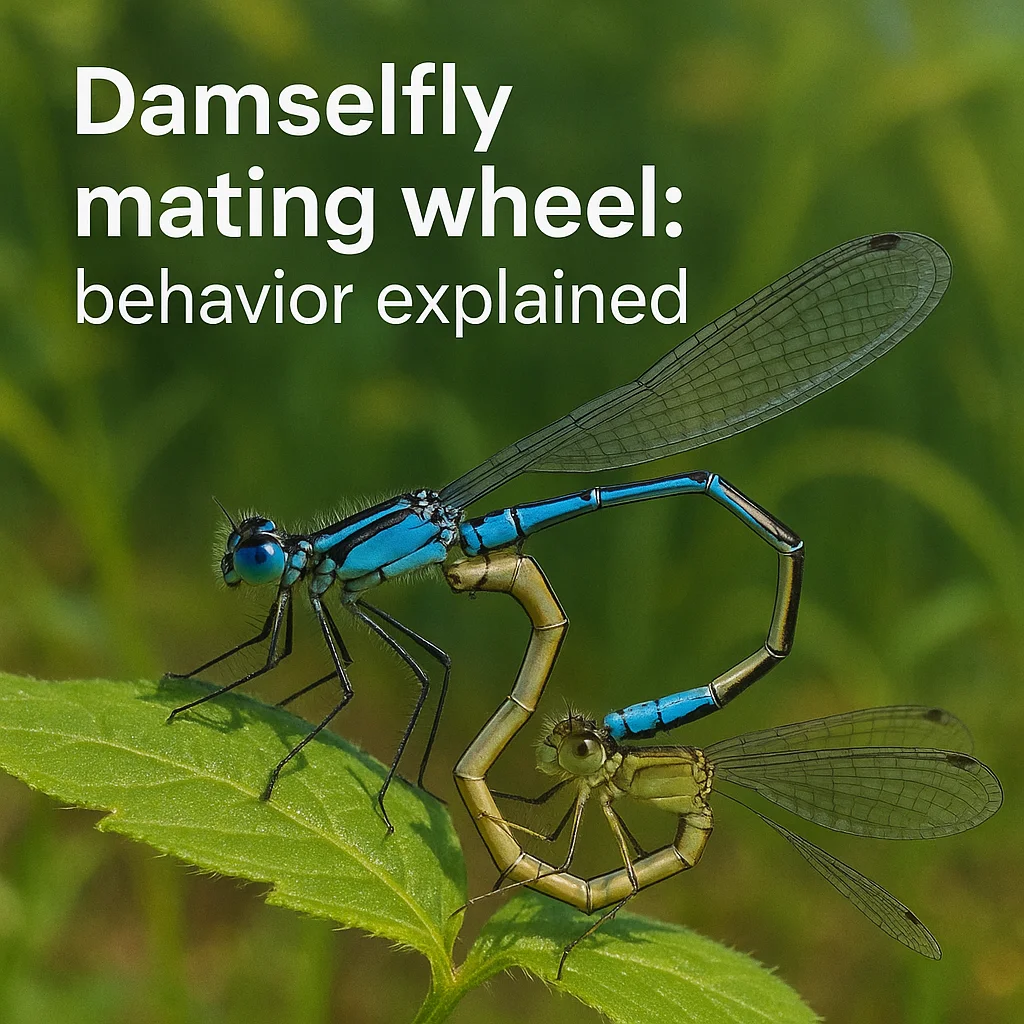
The mating wheel is a distinctive aspect of damselfly reproduction, where males and females form a heart-shaped wheel with their bodies. Courtship involves complex aerial displays, and territoriality can play a role. Damselfly females lay eggs in aquatic plants or directly in water, with egg-laying strategies varying based on environmental conditions.
🌀 Metamorphosis & Life Cycle
Damselflies undergo incomplete metamorphosis, experiencing three main life stages: egg, nymph, and adult. The aquatic nymphs are predatory, feeding on smaller invertebrates and may spend several weeks to months maturing. As they transition to adults, they emerge from the water, undergo their final molt, and begin their aerial stage of life. Damselfly adults are short-lived, typically lasting weeks, focusing on reproduction and feeding during this time.
🍽️ Diet & Feeding Behavior
Through different life stages, damselflies predominantly act as predators. As nymphs, they feed on smaller aquatic organisms using their extendable jaws to capture prey. Adult damselflies catch flying insects such as mosquitoes, showing agility and precision in flight. They use chewing mouthparts to consume their prey.
🦉 Predators & Defense
Damselflies face threats from several predators, including birds, spiders, and frogs. To defend themselves, they rely on their agility, swift flight, and sometimes camouflage, blending into the foliage. Some damselflies might also use startling colorful displays to deter predators.
- Defense Highlights:
- Camouflage among vegetation
- Swift and agile flight
- Startle display with bright colors
- Avoidance of open areas
👥 Social Behavior & Swarms
Damselflies are generally solitary but will congregate when conditions are right, like near breeding sites. They do not form colonies or cooperative groups, focusing mainly on individual territory and reproduction. Swarms can occur near water during mating seasons when numerous individuals emerge simultaneously.
🧭 Senses & Communication
Damselflies have acute vision aided by their large compound eyes, allowing them to detect movement diligently. They may use visual displays for mate attraction. Communication largely involves visual methods and occasional tactile interactions during mating rituals.
🌱 Role in the Ecosystem
Damselflies play an important role in controlling insect populations, serving as natural pest control by preying on species like mosquitoes. They also serve as food for higher trophic levels, integrating into the food web. Besides aiding in controlling pests, their nymphs help maintain ecological balance in aquatic systems by keeping invertebrate populations in check.
📉 Population & Conservation Notes
Damselfly populations can vary widely, with some regions reporting them as common in suitable habitats. However, factors like habitat loss, water pollution, and pesticide use can lead to declines. To foster local populations, creating damselfly-friendly environments can be beneficial.
- How to Help (Low-Impact):
- Preserve natural water bodies
- Avoid pesticide use near habitats
- Plant native vegetation
- Maintain natural pond edges
⚠️ Human Interaction & Safety
Damselflies are harmless to humans and do not bite or sting. Interactions with humans were mainly observational, providing an opportunity to appreciate their fascinating behavior and contributions to the ecosystem. For safe and respectful observation, ensure no disturbance to natural habitats or attempts to capture these insects.
📌 Summary
- Slender, vibrant insects with a delicate body
- Found near freshwater habitats worldwide
- Active from spring to late summer, diurnally
- Incomplete metamorphosis: egg, nymph, adult
- Predatory diet, controlling mosquito populations
- Face predation from birds, spiders, frogs
- Crucial role in ecosystems, acting as pest control
- Presence indicates healthy ecosystems
- Safe for humans; encourage appreciation and protection