🕷️ Common breeding sites: what to remove
🧾 Quick Facts
The topic of common breeding sites in the context of pest management involves understanding where pests are likely to breed and proliferate. This can involve a wide range of potential pests from mosquitoes to ants, each with specific identification and removal strategies.
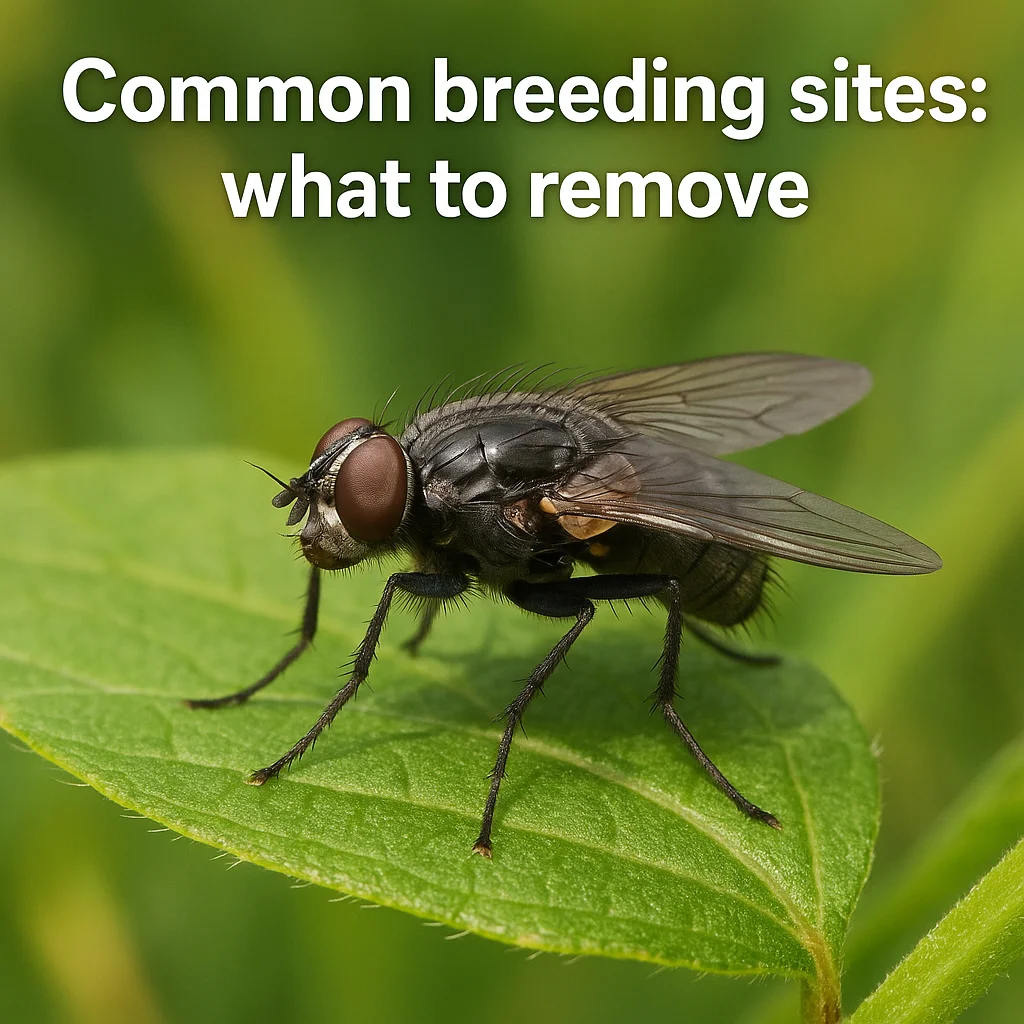
- Common names: Breeding Sites
- Scientific name: Varies
- Insect or not: Often refers to insect breeding, which involves invertebrates with a segmented body and exoskeleton
- Order / family: Varies widely; can include Diptera for mosquitoes, etc.
- Typical size range (adult): Varies based on species
- Key colors/patterns: Depends on species present
- Activity: Both day and night, depending on the species
- Typical habitats: Gardens, water bodies, soil, wood piles
- Where in the world it occurs: Worldwide
- Seasonality: Varies; generally more active in warmer months
🔍 Identification
Identifying common breeding sites involves recognizing areas where conditions favor pest breeding and proliferation. Pay attention to sheltered, moist, and undisturbed environments where organic material accumulates.
- Body shape and silhouette: Structure varies by species using the site
- Antennae type: Fringe or long in many pest insects
- Wing features: Some like mosquitoes have membranous wings
- Leg traits and movement style: Many pests have rapid movement or are capable of flight
- Distinguishing look-alikes: Recognize through specific conditions of the environment
- Top ID Tips:
- Look for stagnant water bodies
- Identify undisturbed soil or compost piles
- Focus on organic debris accumulation sites
- Recognize moist, humid locations
- Check for areas with decomposing wood
- Look for signs of pest activity like holes or droppings
🧠 Basic Body Structure
Insects, the most common pests in breeding sites, have a basic body structure comprising a head, thorax, and abdomen. They possess six legs, an exoskeleton that provides protection, and most have wings that allow flight during certain life stages.
Invertebrate refers to animals without a backbone, and all insects fall into this category, having a support structure on the outside of their body.
🌍 Habitat & Distribution
Common breeding sites for pests vary widely, including stagnant water, leaf litter, unkempt gardens, and decaying matter. These environments provide the moisture and nutrients necessary for larvae to develop. Such sites are found across all continents and climates, with specific adaptations for urban, rural, and wild areas.
Changes in habitat, such as increased urban sprawl and agriculture, can influence the availability and prominence of breeding sites, thereby affecting pest populations.
📅 Seasonal Appearance & Activity
Breeding activity peaks during warmer months when insects, particularly mosquitoes and flies, are more active. Most eyhat seek out breeding sites in late spring and summer when the environment is conducive.
- Best Time to Spot It:
- Spring through late summer
- Warm, humid weather
- Rainy periods with pooled water
- Early morning and dusk for mosquitoes
🥚 Reproduction & Egg-Laying
Reproductive behaviors vary significantly among species. Some, like flies, are attracted to organic waste or decaying matter where they lay eggs, while others, like mosquitoes, require stagnant water sources. The number of eggs and laying strategies depend on the species, ranging from discreet oviposition in protected environments to exposed sites where survival rates are high.
🌀 Metamorphosis & Life Cycle
Common pest insects go through complete metamorphosis (egg–larva–pupa–adult). This involves:
At the egg stage, eggs are often laid in or near food sources or specific environments like water.
Larvae consume surrounding organic matter or debris and are typically located within their breeding site.
Pupation occurs in secluded locations providing protection during transformation.
The lifespan of each stage varies, but many have rapid cycles in warm conditions.
🍽️ Diet & Feeding Behavior
The diet of pests associated with common breeding sites can include organic debris, decaying plant material, or occasionally living plants and tiny invertebrates, depending on the insect species. Many use chewing or piercing-sucking mouthparts for feeding.
While some serve as scavengers, others are predators or herbivores, depending on species and life stage.
🦉 Predators & Defense
Natural predators include birds, frogs, small mammals, reptiles, and spiders. Common defense strategies involve camouflage in sill and location, mimicry, or speed in escaping detection.
- Defense Highlights:
- Camo in breeding sites
- Quick, erratic movements
- Muancy from hiding locations
- Chemical defenses in some species
👥 Social Behavior & Swarms
Many insects from breeding sites are solitary but can appear to swarm during mating or when conditions are right. Social species, like ants, establish colonies with advanced communication but are less reliant on environmental breeding sites. Swarms may be triggered by chemical signals or environmental cues like humidity.
🧭 Senses & Communication
Insects typically use keen sense of smell, perception of pheromones, and sensitivity to sounds or vibrations for navigation and communication. For instance, mosquitoes detect carbon dioxide for locating hosts, while ants utilize chemical trails.
Communication can involve pheromone-based signaling and environmental cues that coordinate movements or social interactions.
🌱 Role in the Ecosystem
Insect breeding sites are integral to ecosystems through pest control, organic matter breakdown, and serving as a food source for other wildlife. While some insects here can be pests, others contribute positively through pollination or natural waste decomposition.
These sites are, however, potentially harmful for humans when pest species increase disease transmission or damage crops, underscoring the need for balanced management strategies.
📉 Population & Conservation Notes
While pest control aims to reduce their numbers, many insects associated with breeding habitats are still considered common where suitable environments persist. Factors like habitat modification, climate change, pesticide use, and pollution influence their populations.
- How to Help (Low-Impact):
- Install bat and bird boxes for natural pest control
- Promote native plants to support balanced ecosystems
- Encourage strategies that reduce standing water
- Avoid indiscriminate pesticide application
- Maintain cleanliness and reduce organic accumulation
⚠️ Human Interaction & Safety
Many insects from common breeding sites can bite or sting (like mosquitoes/bees) under specific conditions, primarily defensive or while feeding. To minimize discomfort, gently clean potential bite areas and avoid scratching, with medical consultation sought if reactions are severe.
Respectful observation is encouraged in place of collecting or disrupting these sites, supporting educational insights into their roles.
📌 Summary
- Breeding sites vary; typically moist, sheltered, with organic materials
- Broad geographic distribution highlighting different insect types
- Identification involves assessing site conditions more than specific species traits
- Life cycles present quick metamorphosis adapting to environment
- Feeding habits are diverse, contributing to ecological roles
- There are notable predators and defenses typical of small insects
- Contribute to nutrient cycles though some are agricultural pests
- Population dynamics influenced by ecological changes