🕷️ Common sap-sucker myths
🧾 Quick Facts
Sap-suckers are a group of insects known for their plant-feeding habits. They use specialized mouthparts to extract sap and juices from various plants. Although often misunderstood, these insects play a critical role in their ecosystems.
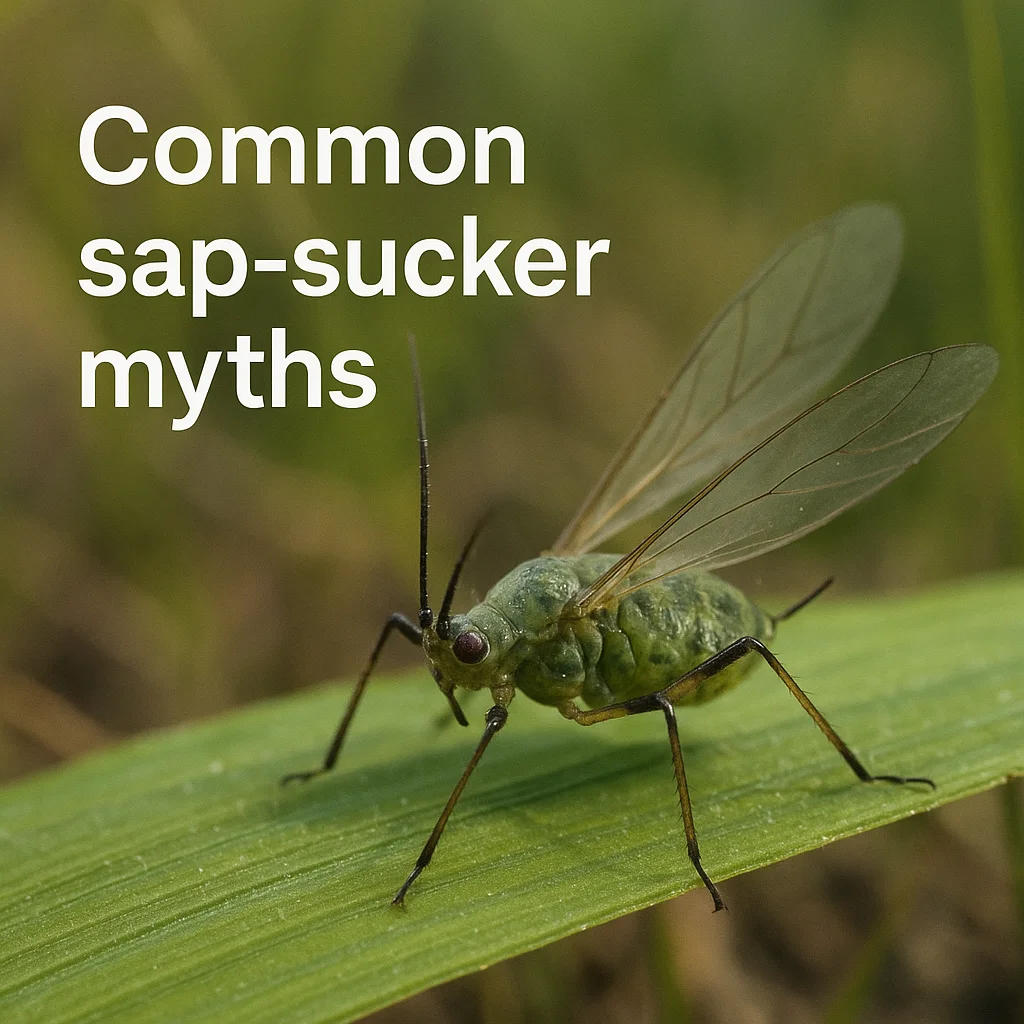
- Common names: Leafhoppers, planthoppers, treehoppers, aphids
- Scientific name: Varies by species
- Insect or not: Yes, all are insects (invertebrates)
- Order / family: Hemiptera; various families such as Cicadellidae, Membracidae, Aphididae
- Typical size range: 1 mm to 15 mm depending on species
- Key colors/patterns: Green, brown, sometimes brightly colored or with distinctive markings
- Activity: Mostly diurnal, some species are nocturnal
- Typical habitats: Forests, grasslands, wetlands, gardens
- Where in the world it occurs: Worldwide, with higher diversity in tropical and temperate areas
- Seasonality: Most visible in warmer months
🔍 Identification
Recognizing sap-suckers involves observing their small, delicate body structure. They typically have wedge-shaped bodies and vary in color.
- Body shape and silhouette: Slender to robust, wedge-shaped
- Antennae type: Short to medium length; often fine and thread-like
- Wing features: Well-developed in adults; some may have transparent or patterned wings
- Leg traits and movement style: Jumping abilities are common, especially in leafhoppers
- Distinguishing look-alikes and common confusion: Often confused with other small plant feeders; distinguishing features include body shape and wing venation
- Observe body shape—typically wedge-shaped
- Look for short, thread-like antennae
- Identify transparent or patterned wings
- Note jumping behavior in leafhoppers
- Distinguish from similar small insects by body and wing features
- Examine color patterns—variety can aid identification
🧠 Basic Body Structure
Sap-suckers, like all insects, have a body divided into three main sections: head, thorax, and abdomen. They possess six legs and an exoskeleton. Wings are present in adults, with molting occurring during their development.
Sap-suckers are invertebrates, meaning they lack a spinal column. Their hardened exoskeleton supports and protects their bodies.
🌍 Habitat & Distribution
Sap-suckers thrive in various environments, including forests, grasslands, wetland regions, and urban gardens. They are commonly found in leaf litter, under bark, or on plant stems and leaves. Their geographical range is extensive, covering almost every continent with many inhabiting tropical and temperate climates.
Habitat changes, such as deforestation and urbanization, can affect their population levels and sightings. In some areas, they are more prevalent in gardens and parks where vegetation is dense.
📅 Seasonal Appearance & Activity
Sap-suckers are most commonly seen during the warmer months. Their activity patterns depend largely on temperature and humidity, with many species thriving in spring and summer. Daytime is typically when they are most active, though some may become active at dawn or dusk to avoid predators.
- Warmer months (spring to late summer) are ideal
- Daylight hours are best for viewing diurnal species
- After rain, activity may increase due to ideal sap flow
- Higher humidity can boost visibility
🥚 Reproduction & Egg-Laying
The reproduction of sap-suckers varies by species but often involves complex courtship behaviors. Males may signal their presence through vibrations or pheromones. Once mating occurs, females typically lay eggs on plant material, bark, or soil, with egg counts varying significantly between species.
Some species lay their eggs in clusters, while others disperse them to ensure survival under different environmental conditions.
🌀 Metamorphosis & Life Cycle
Sap-suckers undergo incomplete metamorphosis, comprising three stages: egg, nymph, and adult. The nymphs appear similar to miniature adults but lack fully developed wings.
Nymphs primarily feed on plant sap and live on their host plants. As they develop, they molt several times before reaching adulthood. The duration of each stage can vary, largely influenced by environmental conditions and availability of resources.
🍽️ Diet & Feeding Behavior
All stages of sap-suckers rely on plant sap for nourishment. They possess piercing-sucking mouthparts that enable them to access the sap within plant tissues. This feeding behavior categorizes them as herbivores, and some species are known to assist in pollination inadvertently.
While primarily herbivores, they can also affect plant health, sometimes leading to disease spread, as they feed and move from plant to plant.
🦉 Predators & Defense
Sap-suckers have several natural predators including birds, spiders, and certain mammals. Their defense strategies often involve camouflage, mimicry, and rapid jumping to evade capture. Some species produce chemicals to deter predators or develop startle displays.
- Camouflage in plant foliage
- Rapid jumping to escape danger
- Mimicry of surroundings for protection
- Chemical defenses minimize attacks
👥 Social Behavior & Swarms
Generally, sap-suckers are solitary, focusing their efforts on feeding rather than socializing. However, some species may congregate when conditions favor high growth on host plants. This interaction is primarily for feeding and not influenced by social structures.
Mass migrations or swarming can sometimes occur under optimal conditions, often triggered by environmental cues such as temperature and food availability.
🧭 Senses & Communication
Sap-suckers possess keen senses of smell, touch, and vision, enabling them to locate food and potential mates. Communication is frequently facilitated through vibrations and the release of pheromones to signal readiness for mating or to alert others of predator presence.
Their ability to perceive changes through vibrations and chemical cues helps them effectively interact within their environment.
🌱 Role in the Ecosystem
Sap-suckers serve an integral ecological role by aiding in plant pollination and decomposition cycles. As key members of the food web, they provide nutrients to a wide array of predators. Their interactions with plants can foster mutual benefits or occasionally lead to plant stress or disease transmission.
Although sometimes seen as agricultural pests, their presence is a natural part of ecosystem balance.
📉 Population & Conservation Notes
The population status of sap-suckers varies globally. While some species are commonly reported in suitable habitats, others face declining numbers due to habitat loss, excessive pesticide use, and climate change impacts.
Supporting efforts to conserve these insects can be as simple as maintaining native plant gardens and reducing pesticide usage.
- Plant native species to support habitat
- Avoid using pesticides in gardens
- Allow leaf litter to remain for habitat creation
- Support conservation efforts to preserve natural habitats
⚠️ Human Interaction & Safety
Sap-suckers do not typically sting or bite humans and pose little direct safety concern. However, their presence can affect plant health in agriculture and garden settings.
For those engaged in field observation, respectful practices involve passive observation and avoiding disturbance of their natural behaviors. Enthusiasts are encouraged not to collect wild specimens and instead appreciate them in their natural settings.
📌 Summary
- Sap-suckers are vital plant feeders with diverse appearances
- Found in a variety of habitats worldwide (forests, gardens, etc.)
- Most visible during warm months; activity peaks in daylight
- Incomplete metamorphosis (egg, nymph, adult stages)
- Herbivores utilizing piercing-sucking mouthparts
- Predators include birds and spiders with defenses like camouflage
- Perform important ecological roles like pollination
- Conservation emphasizes habitat protection and pesticide reduction